How to Meal Prep Lunches Without Eating the Same Meal All Week
Meal prep does not have to mean lining up five identical containers on Sunday night. That approach can save time, but it can also make Wednesday’s lunch feel like a chore.
Image note: The featured image is an AI-generated illustration and is not evidence of hands-on testing.
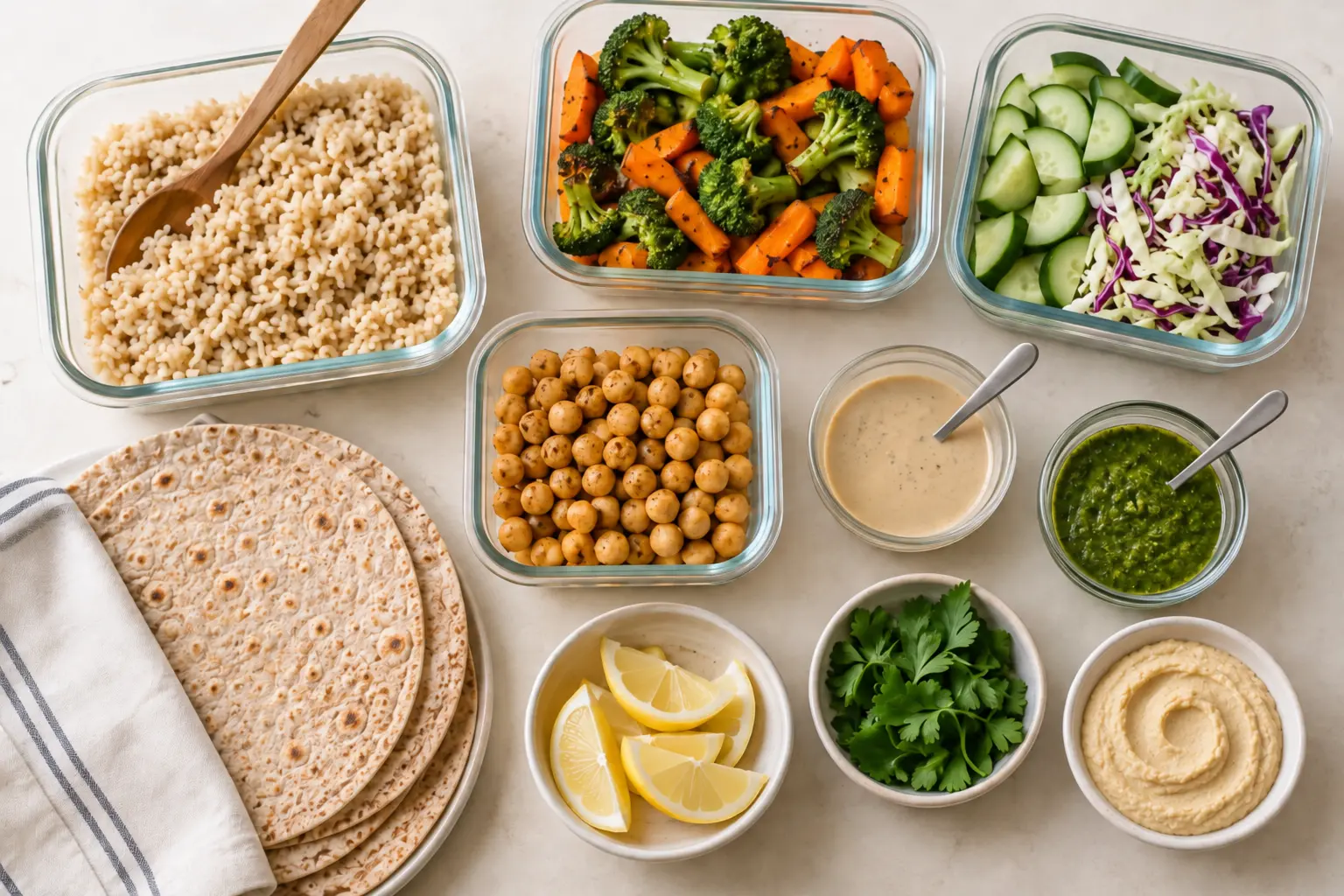
A more flexible method is to prepare a small set of ingredients that work together in several ways. One batch of grains, two vegetables, a protein, and two flavor finishes can become bowls, wraps, salads, or a simple soup-and-side lunch. The ingredients stay familiar while the final meals feel different.
Start with components, not complete meals
Build the week around four parts:
- One versatile base
- Two vegetables with different textures
- One or two protein choices
- Two sauces or finishing ingredients
This is enough variety for most weeks without turning Sunday into an all-day cooking project. Choose ingredients that fit your household, budget, and dietary needs, and follow package directions where they are more specific.
1. Choose a versatile base
Cook one base that can work hot or cold. Brown rice, quinoa, farro, barley, roasted potatoes, or a whole-grain pasta are practical choices. Whole-grain wraps and mixed greens require little preparation and give you an easy way to change the format later in the week.
Keep the base fairly neutral. Strong seasoning is easier to add at serving time than to remove when you want a different flavor.
2. Prepare two vegetables
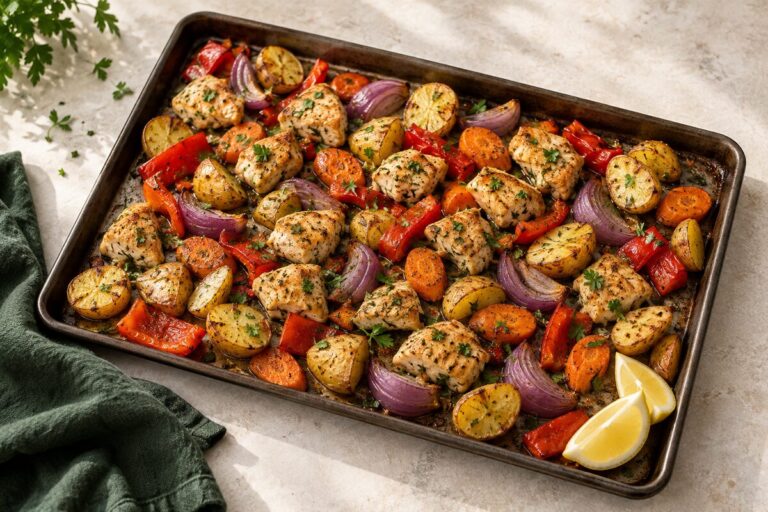
Use contrasting vegetables so each lunch has more than one texture. A batch of roasted broccoli or cauliflower pairs well with crisp carrots, cucumbers, cabbage, or bell peppers. You can also roast one sheet pan with two vegetables that cook at similar rates.
Store watery raw vegetables separately from cooked grains and greens. This small step helps prevent soggy lunches.
3. Add a protein choice
Chickpeas, lentils, baked tofu, hard-cooked eggs, or properly cooked chicken can all work in bowls, wraps, and salads. Pick one main option for simplicity, or prepare a second easy option for family members who prefer something different.
If you use canned beans, rinsing and draining them makes them ready for quick assembly. If you prepare meat, eggs, or other perishable foods, cook and store them using conservative food-safety practices.
4. Make two flavor finishes
Two finishes create more variety than cooking two completely separate meals. Try a lemon-herb yogurt sauce and salsa, or a simple vinaigrette and a tahini-lemon sauce. Pesto, hummus, mustard, chopped herbs, toasted seeds, and a squeeze of citrus can also change the character of a lunch.
Store sauces separately and add them shortly before eating. Check labels and adapt ingredients for any allergies or dietary restrictions in your household.
A simple mix-and-match plan
| Component | Example options | Prep tip |
|---|---|---|
| Base | Brown rice, quinoa, roasted potatoes, whole-grain wrap, greens | Keep seasoning neutral |
| Vegetable 1 | Roasted broccoli, cauliflower, zucchini, or carrots | Choose vegetables with similar roasting times |
| Vegetable 2 | Cucumber, cabbage, bell pepper, or leafy greens | Store wet ingredients separately |
| Protein | Chickpeas, lentils, tofu, eggs, or properly cooked chicken | Portion only what will be used safely |
| Finish 1 | Vinaigrette, salsa, or lemon-herb sauce | Pack in a small separate container |
| Finish 2 | Hummus, tahini sauce, herbs, citrus, or toasted seeds | Add crisp toppings at serving time |
The goal is not to use every component in every lunch. Select three or four pieces each day and change the format or sauce.
A practical 60-minute prep workflow
Minutes 0 to 10: Start the longest items
Preheat the oven, begin the grain or potatoes, and gather storage containers. Wash produce and set aside anything that will stay raw.
Minutes 10 to 30: Cook vegetables and protein
Roast the vegetables while you prepare the protein. Use separate cutting boards and utensils for raw meat, and wash hands and work surfaces thoroughly after handling it.
Minutes 30 to 45: Prepare cold components
Chop crisp vegetables, mix one or two sauces, and gather easy finishing ingredients. Keep dressings and crunchy toppings separate.
Minutes 45 to 60: Cool and portion
Let very hot foods release some steam, then divide them into shallow containers so they cool efficiently. Label anything going into the freezer. Avoid leaving perishable food at room temperature for more than 2 hours.
Turn the same components into five different lunches
Here is one example week:
- Monday: Grain bowl. Combine the base, both vegetables, protein, and vinaigrette.
- Tuesday: Wrap. Use a whole-grain wrap with protein, crisp vegetables, greens, and hummus.
- Wednesday: Big salad. Add cold grain, roasted vegetables, protein, greens, and the second sauce.
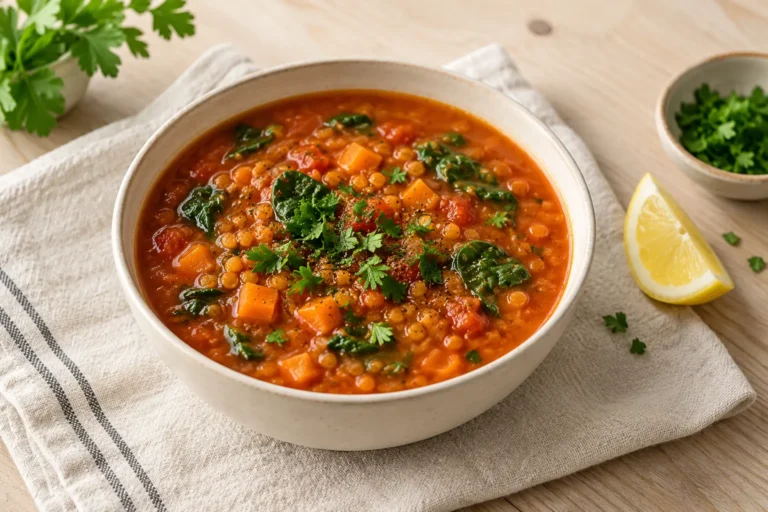
- Thursday: Soup and a side. Pair a portion of red lentil tomato soup with crisp vegetables, fruit, or a small wrap.
- Friday: Freezer-backed lunch. Thaw a portion of soup, grain, or another freezer-friendly component rather than relying on food that has been refrigerated all week.
You can swap the sauces between Monday and Wednesday or use the wrap ingredients as toppings for a bowl. Small changes are usually enough to make lunch feel different.
Store meal prep lunches conservatively
Refrigerate perishable food within 2 hours of cooking or serving. Shallow containers help hot food cool more efficiently. Keep the refrigerator at 40°F or below and use refrigerated cooked leftovers within 3 to 4 days.
If you prepare five days of lunches at once, freeze later-week portions when the ingredients are freezer-friendly. Move a frozen portion to the refrigerator to thaw before you need it. Reheat cooked leftovers to 165°F, and do not rely on appearance or smell alone to decide whether questionable food is safe. When in doubt, discard it.
Some ingredients are better assembled on the day you eat them. Pack dressings separately, cut avocado later, and keep crackers, toasted seeds, and other crisp toppings away from moist ingredients.
How to keep meal prep lunches interesting
- Change the format before changing every ingredient: bowl, wrap, salad, or soup-and-side.
- Use one mild batch and add stronger flavors at serving time.
- Rotate one component each week instead of replacing the entire plan.
- Keep a freezer portion available for a day when the planned lunch no longer sounds appealing.
- Write the planned combinations on a note so you do not have to make decisions each morning.
Frequently asked questions
Do I need five identical meal-prep containers?
No. A few shallow storage containers, small containers for sauces, and reusable jars or bags are enough. Use what you already own as long as it is food-safe and closes securely.
Can I refrigerate five lunches on Sunday?
Many cooked leftovers should be used within 3 to 4 days under proper refrigeration. For later-week lunches, freeze suitable portions or plan a quick fresh assembly rather than stretching refrigerated leftovers beyond conservative guidance.
What if my family wants different lunches?
Keep the base ingredients neutral and let each person choose a sauce, topping, or format. One person can make a wrap while another uses the same components in a bowl.
What is the easiest way to start?
Begin with one base, one roasted vegetable, one crisp vegetable, canned chickpeas or another simple protein, and two store-bought or homemade finishes. The system can become more elaborate after you know which combinations your household actually uses.
Explore more practical ideas in Meal Prep and Budget-Friendly.